What the outing offers
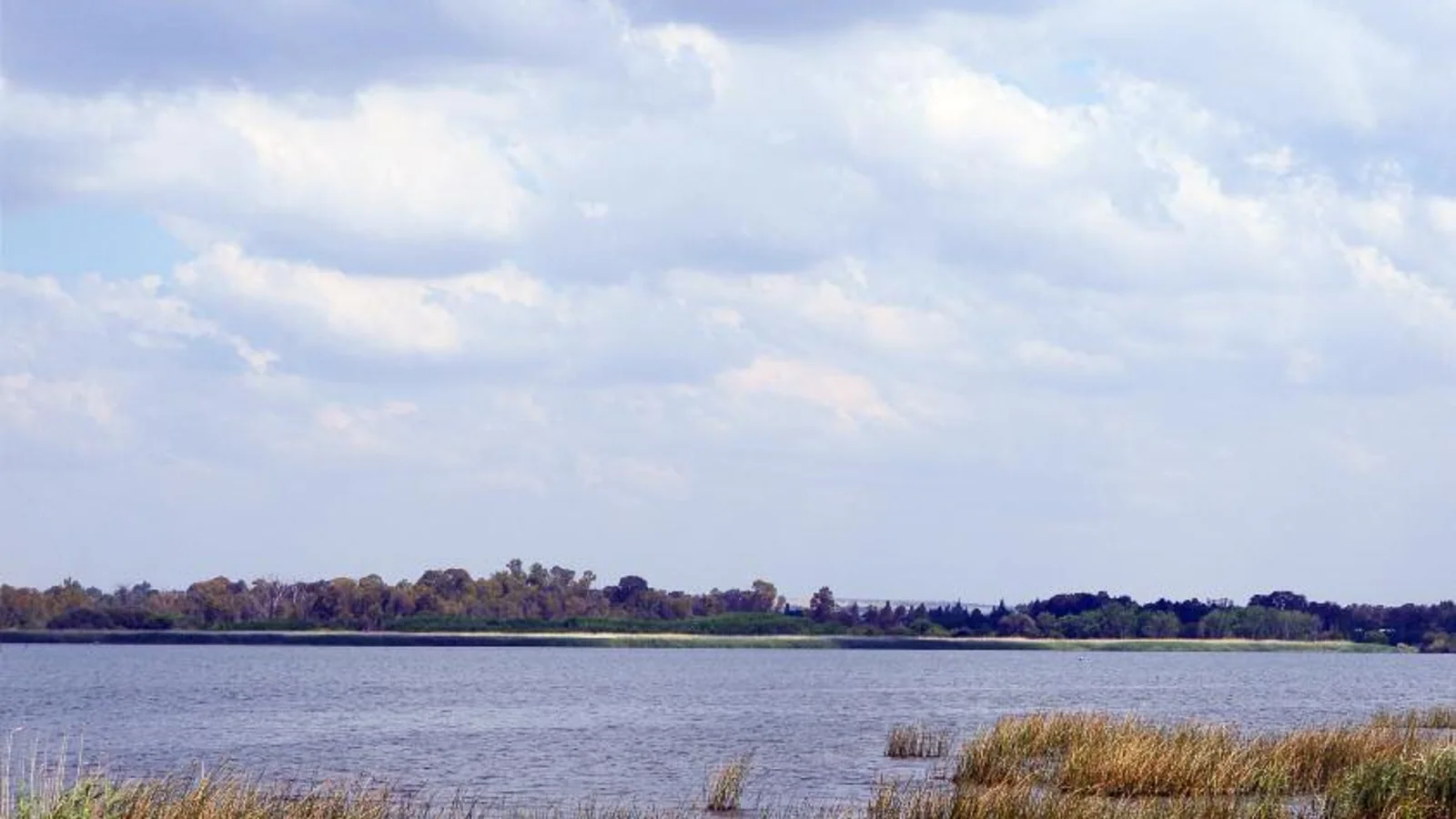
Boskop Dam Nature Reserve is close enough for a spontaneous day out but feels distinctly separate from town. The official reserve information describes a broad dam set among low hills and grassland, with opportunities for wildlife viewing, hiking, birding and fishing.
Animals recorded for the reserve include zebra, antelope and other grassland species. Sightings are never guaranteed, so the landscape and water should be part of the reason for going.
Build a sensible day plan
Leave early enough to avoid rushing at the gate and give yourself daylight for the return trip. Pack drinking water, food, sun protection, warm layers in winter and everything needed to remove your own waste. Official material describes only basic facilities and says there is no shop in the reserve.
Seasonal gate times published in the parks brochure range from a 05:30 opening in summer to 06:30 in winter, with closing times between 18:00 and 19:00. Because operational arrangements can change, phone the reserve before relying on those times.
Fishing and reserve rules
The reserve brochure says the entrance fee includes the fishing licence required for anglers aged 16 to 64, but this should be reconfirmed when you enquire. It also prohibits motorised boats, domestic animals and feeding or harming wildlife.
Use only designated access and fishing areas, follow current bag and tackle rules, and never assume that a previously open bank or trail remains available. Conservation or safety work may temporarily close parts of the reserve.